Fashion & Luxury · 3 min read
The Art of Timeless Elegance: Building a Luxury Wardrobe
A considered approach to quality, proportion, and personal style.
Published By The Cath Morymore Journal
Start With Your Life
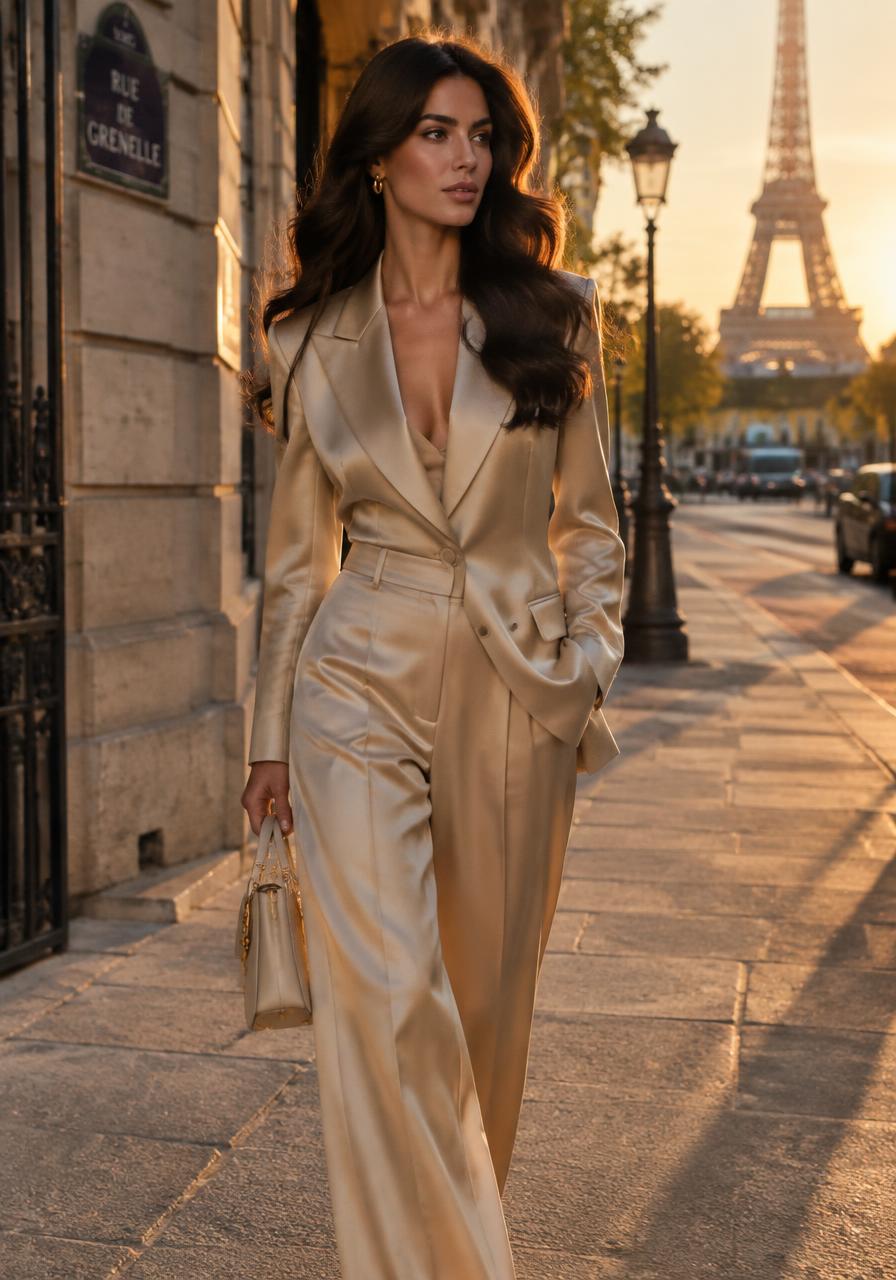
A luxury wardrobe should make getting dressed feel clearer, not more complicated. Its value lies in the relationship between your clothes, your routines, and your taste. Before buying anything, identify the situations you actually dress for: commuting, working from home, dinners, travel, or celebrations.
Define Your Style Before Your Shopping List
Choose three words that describe how you want your clothes to feel: perhaps composed, tactile, and relaxed. Then examine the pieces you already reach for. Notice recurring necklines, trouser shapes, colors, and proportions. These observations are more useful than an aspirational list copied from someone whose life looks different from yours. Save a small selection of outfit references, but annotate what attracts you. A photograph becomes practical inspiration when you can identify its balance, texture, or use of contrast.
Build a Foundation That Works Together
Start with a compact group of complementary pieces rather than a universal checklist. Depending on your routine, that might mean tailored trousers, a fluid skirt, a fine knit, a crisp shirt, and a structured outer layer. Select a restrained base palette, then add colors you genuinely enjoy wearing. Before purchasing a foundation piece, imagine three outfits using clothes you own. If every combination requires another purchase, the item may be a beautiful distraction rather than a useful addition.
Look Beyond the Label
Price and branding cannot tell you everything about quality. Read the fiber composition, inspect seams, check whether closures operate smoothly, and look at how a garment hangs. Consider whether the fabric suits its purpose: a delicate surface may be lovely for occasional evenings but inconvenient for a daily commute. Check opacity in natural light and assess whether a lining pulls or twists. Natural and synthetic fibers each have strengths; prioritize comfort, construction, and realistic care requirements over sweeping material rules.
Treat Fit as Part of the Purchase
Try clothes while moving, not just standing before a mirror. Sit, reach forward, walk, and check whether waistbands, armholes, and shoulders remain comfortable. Bring the shoes or underlayers you expect to wear when possible. Simple alterations can improve hems or refine a waist, but substantial changes to shoulders or garment structure may be difficult or expensive. Ask a qualified tailor before assuming a poor fit can be corrected. Include likely alteration costs when deciding what an item is worth to you.
Make Care Part of the Luxury
A considered wardrobe needs a maintenance plan. Follow each garment's care label, use suitable hangers, and fold knits that might stretch when hung. Give shoes appropriate storage and address small repairs before they become larger problems. Avoid cleaning delicate pieces by habit alone; assess what they actually need while respecting care instructions. Keep a simple record of recurring issues, such as uncomfortable footwear or difficult fabrics. Those observations can help you make better choices the next time you shop.
Let the Wardrobe Develop Slowly
Keep a short wish list and revisit it after a pause. Ask whether each piece fills a genuine gap, works with your existing clothes, and feels comfortable without constant adjustment. Set a budget that leaves room for care and alterations, and remember that secondhand purchases still deserve careful inspection. Timelessness does not require avoiding every trend. It means knowing which new ideas belong in your wardrobe and which you can admire without buying. Elegance becomes easier when your choices feel coherent rather than compulsory.