AI & Virtual Influencers · 3 min read
How AI Fashion Models Are Changing Digital Fashion
The creative possibilities—and practical limits—of synthetic fashion imagery.
Published By The Cath Morymore Journal
Imagery, Not Evidence
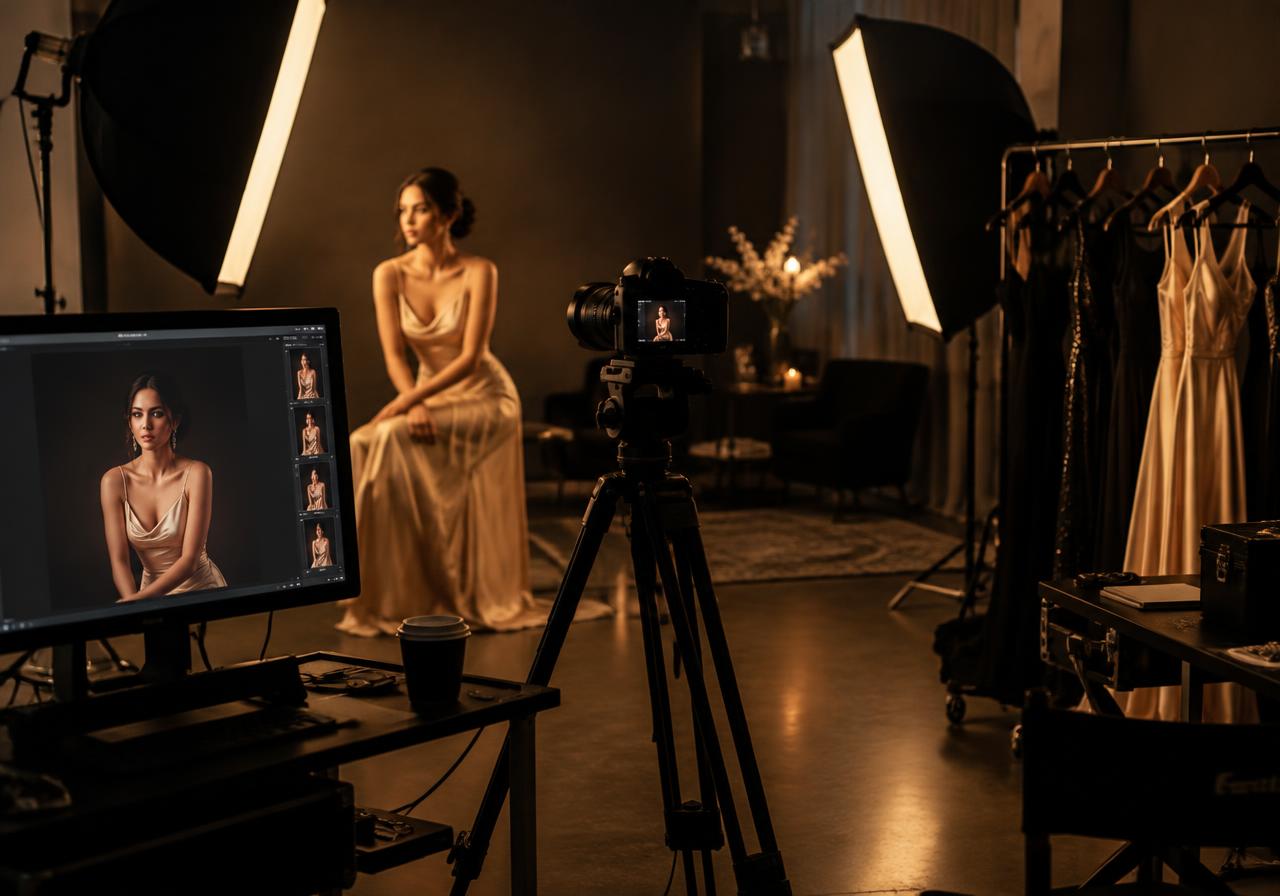
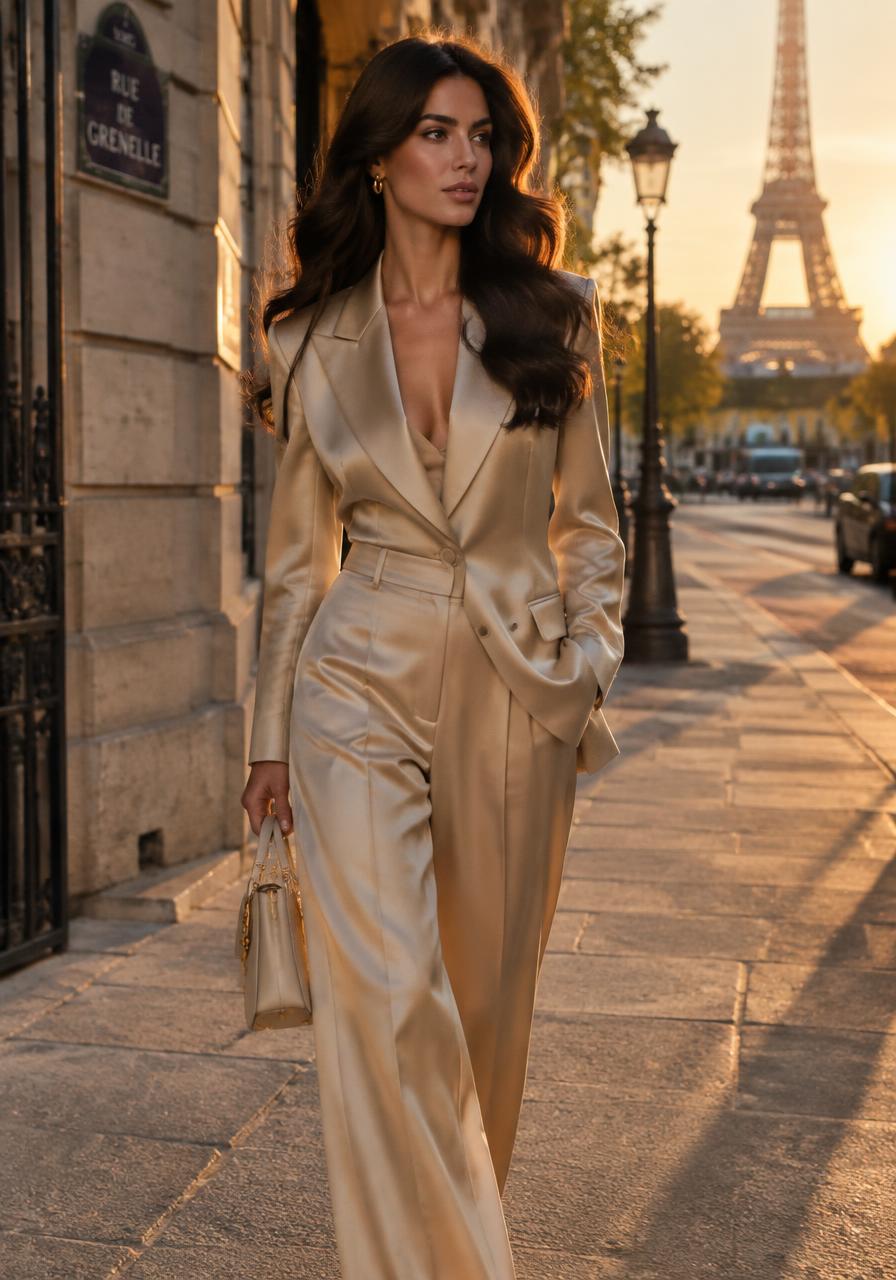
AI fashion models introduce another way to create images of clothing, styling, and imagined settings. They can function as fictional subjects in editorial concepts, rather than as photographs of people wearing physical garments. Cath Morymore is a fictional AI-generated 28-year-old creator, not a human model. This editorial explores the broader possibilities and limitations of AI fashion imagery; it makes no claims about the specific tools, production workflow, or commercial arrangements used to create her content. The distinction matters whenever an image influences a purchase.
Separate the Digital Model From the AI System
In fashion discussions, the word model can mean the depicted figure or the computational system producing an output. Keeping those meanings separate helps avoid confusion. A synthetic fashion character is an image-based identity; the underlying system is technology used in a production process. Not all digital fashion imagery uses generative AI, and not every generated figure is a persistent virtual influencer. Some images depict one-off concepts, while others build a recognizable character across a series. The intended use matters more than the label alone.
Use Synthetic Imagery to Explore Ideas
One creative application is visual exploration: testing a mood, an unusual setting, or a relationship between color and silhouette before committing to a final direction. A concept might place sculptural eveningwear against an imagined architectural background, for example. Such imagery can help communicate an aesthetic, but it should not be confused with proof that the depicted garment has been manufactured. For readers assembling inspiration boards, the useful question is what can translate into real styling: proportion, contrast, layering, or a palette, rather than every literal detail.
Keep Inspiration Separate From Product Evidence
When an image is used to sell a specific item, accuracy becomes a central concern. Generated details can diverge from a real product, including closures, prints, seams, accessories, and the way fabric appears to fall. A polished result does not establish that those details are correct. Brands considering this use should compare the image against verified product references and review it carefully before publication. Shoppers should look for reliable photographs, measurements, composition information, and return terms rather than treating a synthetic image as a fit demonstration.
Evaluate Representation Beyond Surface Variety
Digital characters can be depicted with varied appearances, but the ability to generate variety does not automatically create meaningful inclusion. Selection decisions can still favor narrow beauty standards or portray cultures carelessly. Review who is represented, how they are styled, and whether the images repeat stereotypes. Avoid presenting a synthetic body as evidence of what clothing should look like on real people. For audiences, it helps to remember that generated proportions and surfaces may not correspond to attainable anatomy, realistic fabric behavior, or ordinary photographic conditions.
Build Disclosure and Rights Review Into the Brief
A responsible creative brief should explain whether the intended output is fictional editorial imagery, advertising, or a product representation. That distinction informs the level of verification and disclosure needed. Commercial teams should also review permissions, recognizable likenesses, brand elements, and the terms of any services they use; rights questions depend on the circumstances and jurisdiction. Avoid assuming that an image is unrestricted simply because it was generated. Clear labeling gives audiences context, while careful review addresses concerns that a label alone cannot resolve.
Judge the Result by Its Purpose
AI fashion imagery is most useful when its purpose and limits are visible. An imaginative editorial can invite interpretation, while a shopping image must support accurate expectations about a real item. Neither becomes successful merely by looking convincing. Ask whether the work communicates its idea, respects the people and identities it references, and avoids misleading claims. For readers, the practical approach is to enjoy the creative possibilities while checking the evidence behind purchases. Visual novelty can enrich fashion storytelling without replacing product knowledge, human experience, or critical judgment.