Beauty & Glamour · 4 min read
Five Details That Make an Outfit Look Expensive
Polish comes from proportion, condition, and thoughtful choices—not a visible price tag.
Published By The Cath Morymore Journal
Polish Is Not a Price
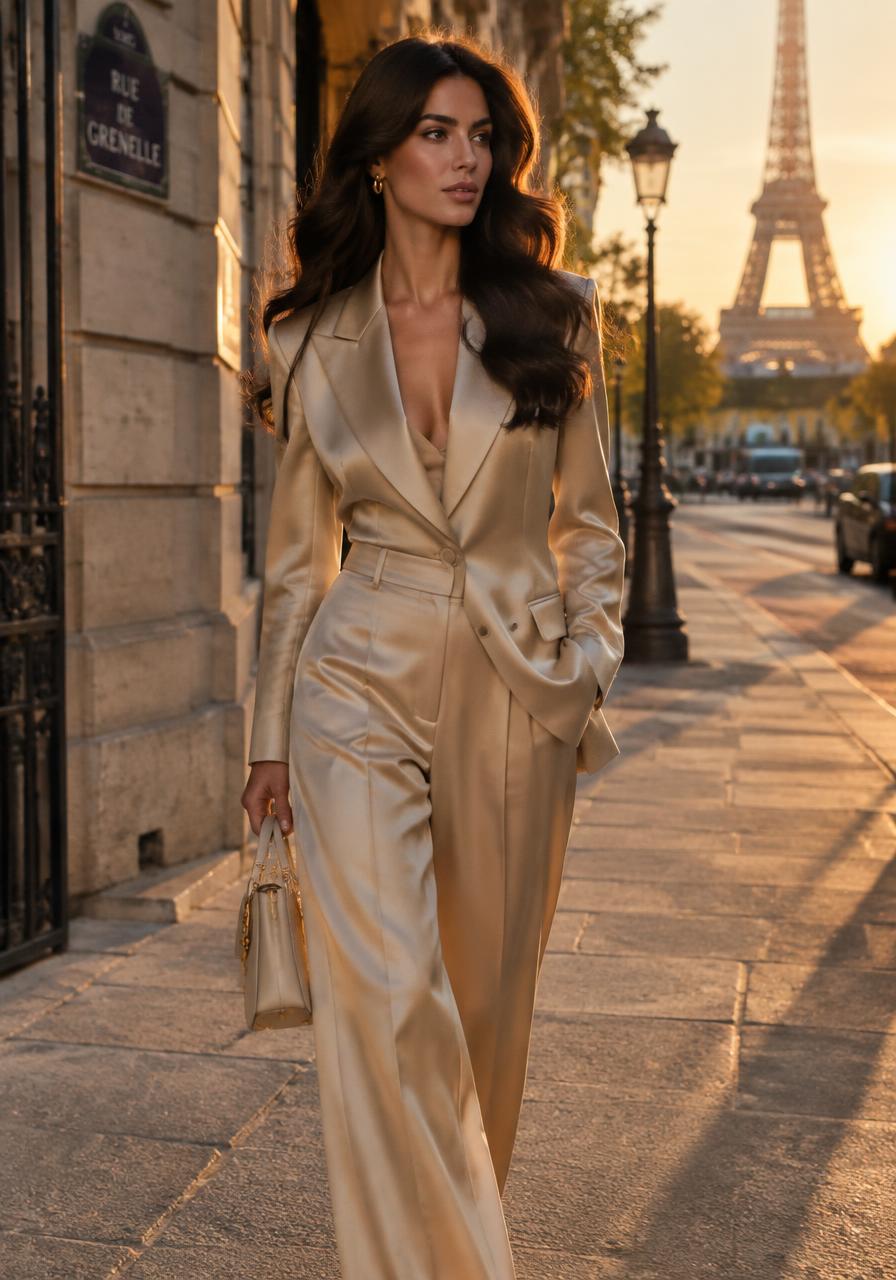
An outfit often reads as considered because its details agree with one another, not because every item costs more. 'Expensive' is useful shorthand for a polished effect, but it is not a measure of taste or personal worth. This article focuses on choices you can make with an existing wardrobe. Start with your clothes, your body, and your daily needs.
1. Fit That Looks Intentional
Good fit does not always mean close-fitting. An oversized jacket can look deliberate when its shoulder line, sleeve length, and relationship to the rest of the outfit feel resolved. Examine where fabric pulls, collapses, or catches as you move. Try sitting and reaching, not just standing in front of a mirror. Simple alterations may help, but compare their cost with the garment's condition and usefulness before committing. When trying something new, change one proportion at a time: a shorter top with wide trousers, for example, makes the silhouette easier to assess.
2. Fabric in Good Condition
Surface condition has a large effect on how clothing presents. Remove lint, check for loose threads, and address missing buttons before adding another accessory. Follow care labels when washing, steaming, or ironing; heat and moisture can damage some fabrics or finishes. A garment does not need to be wrinkle-free if creasing is part of its character, as with many linen pieces. What matters is the difference between intentional texture and neglected maintenance. Store knitwear in a way that avoids stretching, and give shoes an appropriate clean before they become the outfit's accidental focal point.
3. A Clear Color Relationship
A coordinated palette helps the eye understand an outfit quickly. Begin with two or three colors already present in your wardrobe, then test how they interact in daylight. Tonal dressing can be effective, but the shades need not match perfectly; varying textures can make similar colors feel intentional rather than almost identical. A contrasting accessory can also work if its placement feels deliberate. If an outfit seems visually scattered, remove one competing color before buying a replacement item. This is an editing exercise, not a demand to abandon prints or expressive combinations.
4. Neat Fasteners and Edges
Buttons, zips, hems, collars, and belt holes are small details that can interrupt an otherwise strong look. Check that fasteners work smoothly and that visible edges sit as intended. A twisted lining or a collar trapped under a jacket may be easy to fix once noticed. Hardware does not need to share an identical metal finish, but a repeated tone can create continuity if you want a quieter effect. Avoid assuming that replacing buttons automatically improves a garment: their weight, attachment, spacing, and compatibility with the fabric all matter.
5. Accessories With the Right Scale
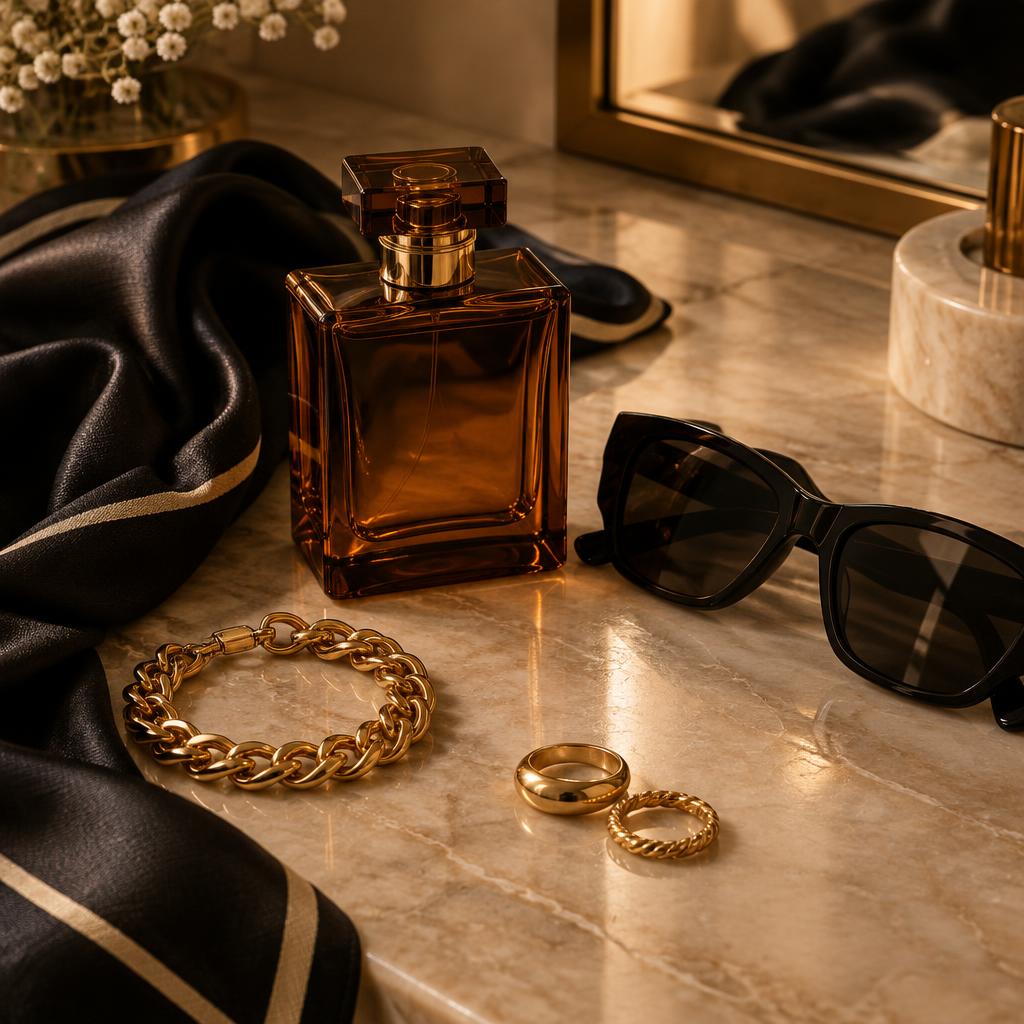
Accessories look more integrated when their size and placement respond to the clothing. A substantial collar may need less around the neck, while a simple neckline can give a necklace room to register. Consider how a bag's shape interacts with the silhouette and whether a belt clarifies or interrupts the proportions. None of this requires small accessories or a minimalist wardrobe. Bold pieces can look exceptionally considered when given enough visual space. Try removing one item, then replacing it only if the outfit genuinely loses something without it.
A Two-Minute Final Check
Before leaving, look at the outfit from the front, side, and back if you can. Smooth a caught hem, check the shoulder area, and make sure footwear suits the walking or standing the day requires. Take one step away from the mirror to judge the overall balance rather than fixating on a single detail. If the look still feels unresolved, adjust proportion or remove a competing element before adding more. The most useful version of polish is repeatable: a few dependable maintenance and styling habits that help your wardrobe work better.